B. fragilis toxin-producing microbes
What this marker measures
The presence of Bacteroides fragilis strains with the genetic capacity to produce B. fragilis toxin, also known as fragilysin. This toxin can disrupt epithelial barrier integrity by affecting cell-cell junctions, including E-cadherin mediated adhesion1,2. While B. fragilis is a common gut inhabitant, only some strains carry the toxin gene, and toxigenic strains may contribute to intestinal barrier disruption3.
Clinical associations
Consider this marker when your patient presents with:


Interpreting the result
All results are compared to Microba's healthy cohort to determine whether they fall within or outside the expected range.
Patient management insights
Support gut barrier integrity and reduce toxigenic B. fragilis impact.

Tips for patients discussion
Your report suggests toxin-carrying Bacteroides fragilis strains are present. This does not mean you have an infection: B. fragilis is common in the gut, but some strains can produce toxins that may weaken the gut barrier. Targeted probiotics may help support gut integrity.
The community
2 species
- Bacteroides fragilis
- Bacteroides fragilis_A
How results are calculated
All microbiome marker results are compared against the Microba Healthy Cohort — a purpose-built reference group of more than 450 healthy individuals, collected and analysed using the same workflow as patient samples.
Each marker is scored by comparing the patient's relative abundance against the cohort average. The distance from this average is expressed as standard deviations, and determines whether a result is classified as Low, Borderline, or High.

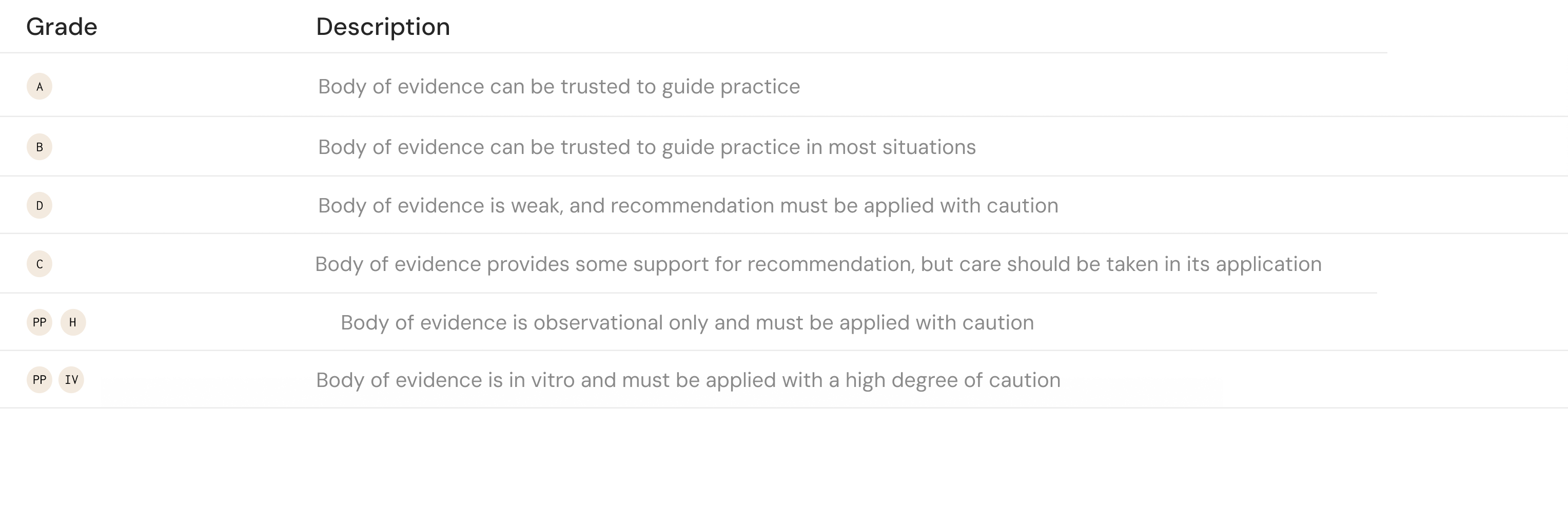
Source references for all clinical associations, interpretation definitions, and patient management insights on this card.
1. Wu, S., Rhee, K.-J., Zhang, M., Franco, A. & Sears, C. L. Bacteroides fragilis toxin stimulates intestinal epithelial cell shedding and γ-secretase-dependent E-cadherin cleavage. Journal of Cell Science 120, 1944–1952 (2007).
2. Wu, S., Lim, K.-C., Huang, J., Saidi, R. F. & Sears, C. L. Bacteroides fragilis enterotoxin cleaves the zonula adherens protein, E-cadherin. Proc. Natl. Acad. Sci. U.S.A. 95, 14979–14984 (1998).
3. Sears, C. L. Enterotoxigenic Bacteroides fragilis : a Rogue among Symbiotes. Clin Microbiol Rev 22, 349–369 (2009).
4. Ohara, T. & Suzutani, T. Intake of Bifidobacterium longum and Fructo-oligosaccharides prevents Colorectal Carcinogenesis. Euroasian J Hepatogastroenterol 8, 11–17 (2018).
5. Odamaki, T. et al. Effect of the oral intake of yogurt containing Bifidobacterium longum BB536 on the cell numbers of enterotoxigenic Bacteroides fragilis in microbiota. Anaerobe 18, 14–18 (2012).