Faecal occult blood
What this marker measures
Faecal occult blood is measured using a faecal immunochemical test (FIT); this detects hidden human blood in stool, which may indicate bleeding in the lower gastrointestinal tract. It is used as a non-invasive screening tool for colorectal cancer and may also be positive in other inflammatory or bleeding conditions, including IBD1–4. FIT is specific for human haemoglobin and requires no dietary preparation.
This assay is issued under the European IVDR framework (the assay is classified IVDR Class C) with ARTG listing for use in Australian markets.

Clinical associations*
Consider this marker when your patient presents with:


*In addition to the assay’s intended use, all clinical associations have been reviewed by the Microba science team to ensure clinical validity supported by Microba’s cited literature.
Interpreting the result
^negative result does not exclude intermittent or low-level bleeding. If bleeding is clinically suspected, further investigation is recommended regardless of this result.
Patient management insights
Investigate the cause of detected faecal occult blood.

Tips for discussing out-of-range results
This test checks for tiny amounts of blood in your stool that you wouldn’t be able to see. Your result shows that blood has been detected, which can happen for several reasons, some straightforward, and some that need further investigation. The next step is referral to a medical practitioner to determine what’s going on
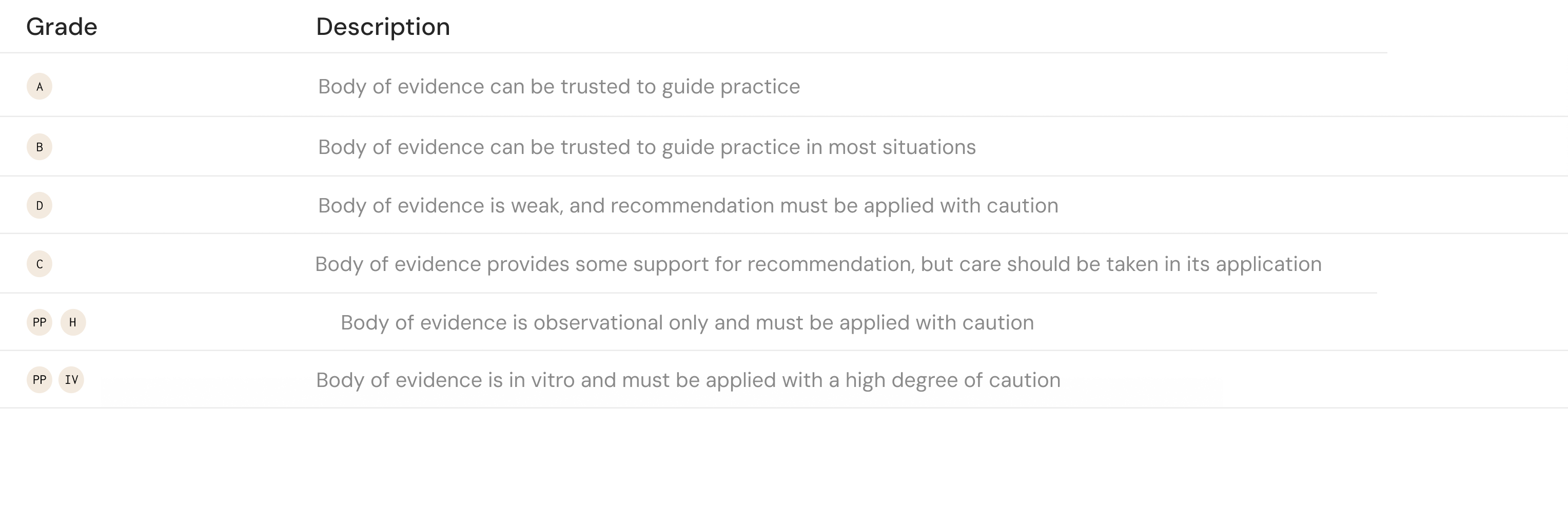
Faecal occult blood— Reference sourcesSource references for all clinical associations, interpretation definitions, and patient management insights on this card.
1. US Preventive Services Task Force. Screening for Colorectal Cancer: US Preventive Services Task Force Recommendation Statement. JAMA 325, 1965–1977 (2021).
2. Niedermaier, T., Balavarca, Y. & Brenner, H. Stage-Specific Sensitivity of Fecal Immunochemical Tests for Detecting Colorectal Cancer: Systematic Review and Meta-Analysis. Am J Gastroenterol 115, 56–69 (2020).
3. Hu, T., Zhang, Z., Song, F., Zhang, W. & Yang, J. Evaluation of Mucosal Healing in Ulcerative Colitis by Fecal Calprotectin vs. Fecal Immunochemical Test: A Systematic Review and Meta-analysis. Turk J Gastroenterol 34, 892–901 (2023).
4. Lee, E., Lee, G. H., Park, B., Ahn, S. S. & Noh, C.-K. Positive faecal immunochemical test predicts the onset of inflammatory bowel disease: A nationwide, propensity score-matched study. Front Immunol 14, 1128736 (2023).