Lactoferrin
What this marker measures
Lactoferrin is an iron-binding protein released primarily by neutrophils and measured in stool. Elevated faecal lactoferrin indicates neutrophil-driven intestinal inflammation and can support assessment of IBD activity, treatment response and relapse risk1–3. It may also be elevated in infectious colitis, especially of bacterial rather than viral cause4,5.
This assay is issued under the European IVDR framework (the assay is classified IVDR Class C) with ARTG listing for use in Australian markets.


Clinical associations*
Consider this marker when your patient presents with:


*In addition to the assay’s intended use, all clinical associations have been reviewed by the Microba science team to ensure clinical validity supported by Microba’s cited literature.
Interpreting the result
May be seen with IBD, infectious colitis, including C. difficile, or other inflammatory GI conditions. Further investigation is warranted if the cause is unknown.
Patient management insights
Investigate the underlying cause of elevated lactoferrin. Adjunctive dietary or supplement strategies may be considered only once the clinical context is established.
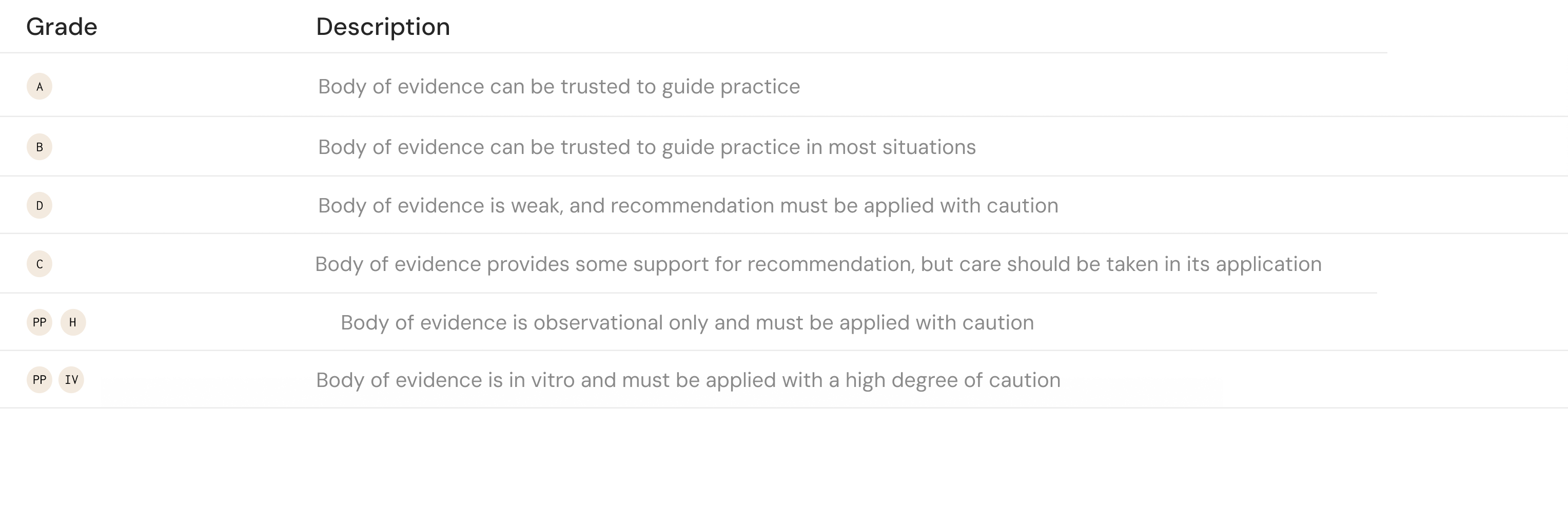
Curcumin supplementation as an adjunct to standard therapy, may reduce evidence of endoscopic inflammation in patients with ulcerative colitis9–11. GRADE C
EGCG (green tea) supplementation as an adjunct to standard therapy, may reduce disease activity in patients with ulcerative colitis12. GRADE D
Aloe vera supplementation as an adjunct to standard therapy, may reduce disease activity in patients with IBD13. GRADE D

Tips for discussing out-of-range results
Your result shows elevated calprotectin, which may suggest intestinal inflammation. This does not identify the exact cause, so we’ll review your symptoms, medications, and other test results to decide what next steps are needed.
Lactoferrin — Reference sourcesSource references for all clinical associations, interpretation definitions, and patient management insights on this card.
1. Chen, R. et al. Fecal lactoferrin early predicts long‐term outcomes in ulcerative colitis: A post‐hoc analysis of the UNIFI and PURSUIT trials. United European Gastroenterol J 11, 542–550 (2023).
2. Dai, C., Jiang, M., Sun, M.-J. & Cao, Q. Fecal Lactoferrin for Assessment of Inflammatory Bowel Disease Activity: A Systematic Review and Meta-Analysis. Journal of Clinical Gastroenterology 54, 545 (2020).
3. Zhou, X. et al. Fecal lactoferrin in discriminating inflammatory bowel disease from Irritable bowel syndrome: a diagnostic meta-analysis. BMC Gastroenterol 14, 121 (2014).
4. Swale, A. et al. Calprotectin and Lactoferrin Faecal Levels in Patients with Clostridium difficile Infection (CDI): A Prospective Cohort Study. PLoS One 9, e106118 (2014).
5. Chen, C.-C. et al. Usefulness of fecal lactoferrin in predicting and monitoring the clinical severity of infectious diarrhea. World J Gastroenterol 17, 4218–4224 (2011).
6. Morshedzadeh, N. et al. Effects of flaxseed and flaxseed oil supplement on serum levels of inflammatory markers, metabolic parameters and severity of disease in patients with ulcerative colitis. Complementary Therapies in Medicine 46, 36–43 (2019).
7. Scaioli, E. et al. Eicosapentaenoic Acid Reduces Fecal Levels of Calprotectin and Prevents Relapse in Patients With Ulcerative Colitis. Clinical Gastroenterology and Hepatology 16, 1268-1275.e2 (2018).
8. Prossomariti, A. et al. Short-term treatment with eicosapentaenoic acid improves inflammation and affects colonic differentiation markers and microbiota in patients with ulcerative colitis. Sci Rep 7, 7458 (2017).
9. Banerjee, R. et al. Novel Bioenhanced Curcumin With Mesalamine for Induction of Clinical and Endoscopic Remission in Mild-to-Moderate Ulcerative Colitis: A Randomized Double-Blind Placebo-controlled Pilot Study. J Clin Gastroenterol 55, 702–708 (2021).
10. Lang, A. et al. Curcumin in Combination With Mesalamine Induces Remission in Patients With Mild-to-Moderate Ulcerative Colitis in a Randomized Controlled Trial. Clinical Gastroenterology and Hepatology 13, 1444-1449.e1 (2015).
11. Hanai, H. et al. Curcumin Maintenance Therapy for Ulcerative Colitis: Randomized, Multicenter, Double-Blind, Placebo-Controlled Trial. Clinical Gastroenterology and Hepatology 4, 1502–1506 (2006).
12. Dryden, G. W., Lam, A., Beatty, K., Qazzaz, H. H. & McClain, C. J. A Pilot Study to Evaluate the Safety and Efficacy of an Oral Dose of (−)-Epigallocatechin-3-Gallate–Rich Polyphenon E in Patients With Mild to Moderate Ulcerative Colitis. Inflammatory Bowel Diseases 19, 1904–1912 (2013).
13. Langmead, L. et al. Randomized, double-blind, placebo-controlled trial of oral aloe vera gel for active ulcerative colitis. Alimentary Pharmacology & Therapeutics 19, 739–747 (2004).