Pancreatic elastase
What this marker measures
Pancreatic elastase is a stool marker of pancreatic exocrine function. It is used to help diagnose or exclude pancreatic exocrine insufficiency (PEI) and to monitor pancreatic function in conditions such as cystic fibrosis, diabetes, and chronic pancreatitis1–5.
This assay is issued under the European IVDR framework (the assay is classified IVDR Class C) with ARTG listing for use in Australian markets.


Clinical associations*
Consider this marker when your patient presents with:


*In addition to the assay’s intended use, all clinical associations have been reviewed by the Microba science team to ensure clinical validity supported by Microba’s cited literature.
Interpreting the result
Treatment guidance
Consider the cause of low pancreatic elastase.

Tips for discussing out-of-range results
Your pancreatic elastase result gives us insight into whether your pancreas is releasing enough enzymes to digest food properly. A low result may mean you are not getting enough digestive enzymes into the gut, which can affect nutrient absorption. We’ll investigate the cause and determine the right next steps
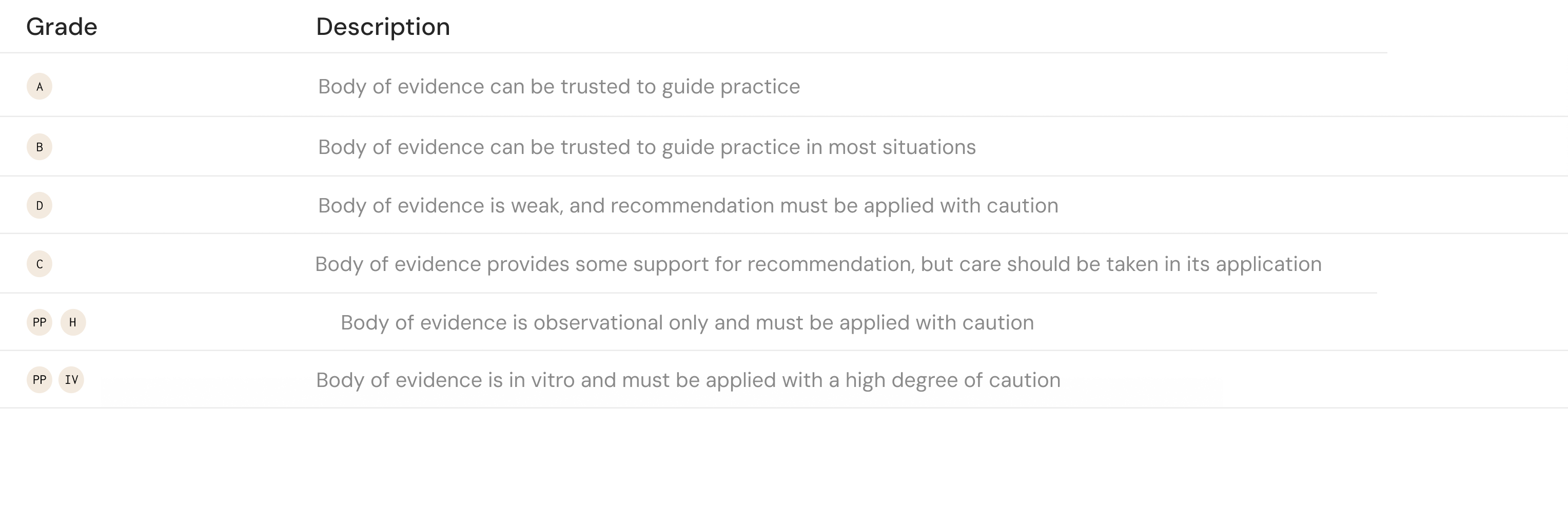
Pancreatic elastase_ Reference sourcesSource references for all clinical associations, interpretation definitions, and patient management insights on this card.
1. Sankararaman, S., Hendrix, S., Neudecker, M. & Borowitz, D. Utility of Fecal Elastase‐1 in Estimating Exocrine Pancreatic Function in Cystic Fibrosis: A Scoping Review. Pediatr Pulmonol 61, e71649 (2026).
2. Jalal, M. et al. Are we missing pancreatic exocrine insufficiency in ‘at-risk’ groups? Prospective assessment of the current practice and yield of faecal elastase testing in patients with diabetes mellitus, HIV and/or high alcohol intake. Clin Med (Lond) 23, 588–593 (2024).
3. Whitcomb, D. C., Buchner, A. M. & Forsmark, C. E. AGA Clinical Practice Update on the Epidemiology, Evaluation, and Management of Exocrine Pancreatic Insufficiency: Expert Review. Gastroenterology 165, 1292–1301 (2023).
4. Vanga, R. R., Tansel, A., Sidiq, S., El-Serag, H. B. & Othman, M. Diagnostic Performance of Measurement of Fecal Elastase-1 in Detection of Exocrine Pancreatic Insufficiency – Systematic Review and Meta-analysis. Clin Gastroenterol Hepatol 16, 1220-1228.e4 (2018).
5. Campbell, J. A. et al. Should we Investigate Gastroenterology Patients for Pancreatic Exocrine Insufficiency? A Dual Centre UK Study. J Gastrointestin Liver Dis 25, 303–309 (2016).
6. Mathew, A., Fernandes, D. & Andreyev, H. J. N. What is the significance of a faecal elastase-1 level between 200 and 500μg/g? Frontline Gastroenterology 14, 371–376 (2023).
7. Phillips, M. E. et al. Consensus for the management of pancreatic exocrine insufficiency: UK practical guidelines. BMJ Open Gastroenterol 8, e000643 (2021).
8. Evans, K. E., Leeds, J. S., Morley, S. & Sanders, D. S. Pancreatic insufficiency in adult celiac disease: do patients require long-term enzyme supplementation? Dig Dis Sci55, 2999–3004 (2010).