Secretory IgA
What this marker measures
Secretory IgA is a key immune antibody measured in stool that reflects mucosal immune activity in the gut. It helps protect the gut lining by binding microbes and toxins, limiting pathogen attachment, and supporting host–microbiome balance1–3. Interpret alongside symptoms and other inflammation markers.
This assay is issued under the European IVDR framework (the assay is classified IVDR Class C) with ARTG listing for use in Australian markets


Clinical associations*
Consider this marker when your patient presents with:


*In addition to the assay’s intended use, all clinical associations have been reviewed by the Microba science team to ensure clinical validity supported by Microba’s cited literature.
Interpreting the result
Treatment guidance
Approach depends on whether levels are low or high.

Tips for discussing out-of-range results
Secretory IgA is part of your gut's immune defence at the surface lining. A result outside the expected range, whether low or high, can mean this immune barrier is a little out of balance, which is something we can look into together alongside your symptoms and history.
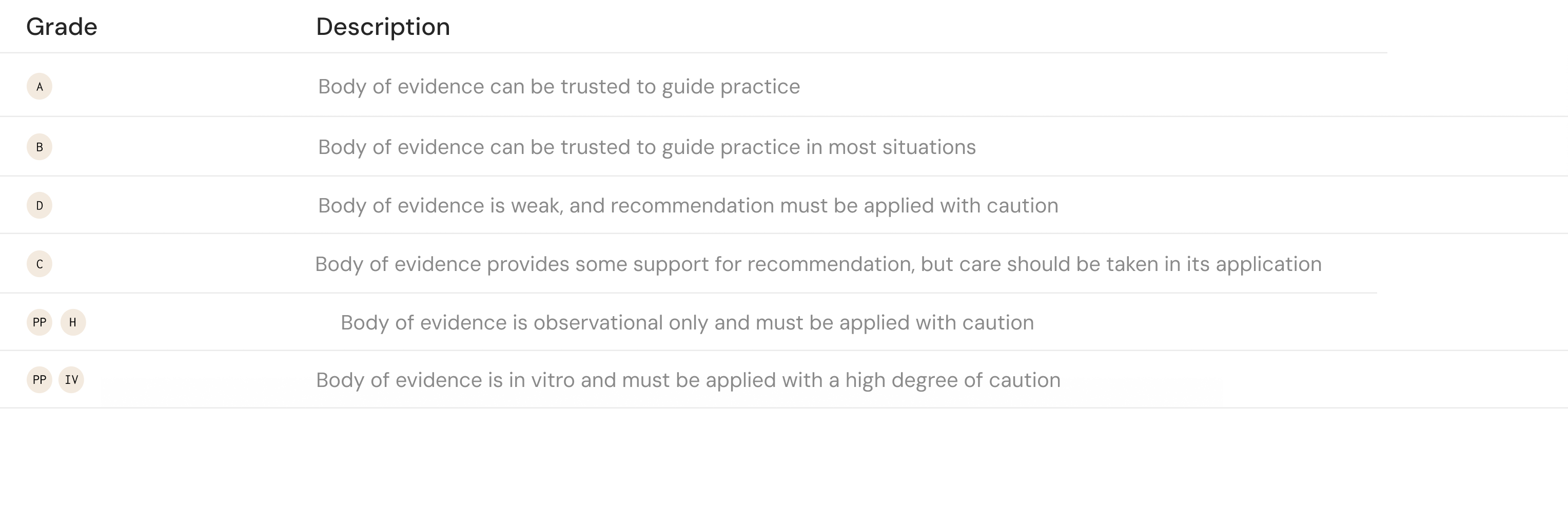
Secretory IgA- Reference sourcesSource references for all clinical associations, interpretation definitions, and patient management insights on this card.
1. León, E. D. & Francino, M. P. Roles of Secretory Immunoglobulin A in Host-Microbiota Interactions in the Gut Ecosystem. Front. Microbiol. 13, (2022).
2. Huus, K. E., Petersen, C. & Finlay, B. B. Diversity and dynamism of IgA−microbiota interactions. Nat Rev Immunol 21, 514–525 (2021).
3. Lisicka, W. et al. Immunoglobulin A controls intestinal virus colonization to preserve immune homeostasis. Cell Host & Microbe 33, 498-511.e10 (2025).
4. Zhang, H., Miao, J., Su, M., Liu, B. Y. & Liu, Z. Effect of fermented milk on upper respiratory tract infection in adults who lived in the haze area of Northern China: a randomized clinical trial. Pharmaceutical Biology 59, 645–650 (2021).
5. Vulevic, J., Juric, A., Tzortzis, G. & Gibson, G. R. A Mixture of trans-Galactooligosaccharides Reduces Markers of Metabolic Syndrome and Modulates the Fecal Microbiota and Immune Function of Overweight Adults. The Journal of Nutrition 143, 324–331 (2013).
6. Kabeerdoss, J. et al. Effect of yoghurt containing Bifidobacterium lactis Bb12®on faecal excretion of secretory immunoglobulin A and human beta-defensin 2 in healthy adult volunteers. Nutr J 10, 138 (2011).